

Comparing Ferragamo Bag Sizes: Pinning Down A Fit That Suits You
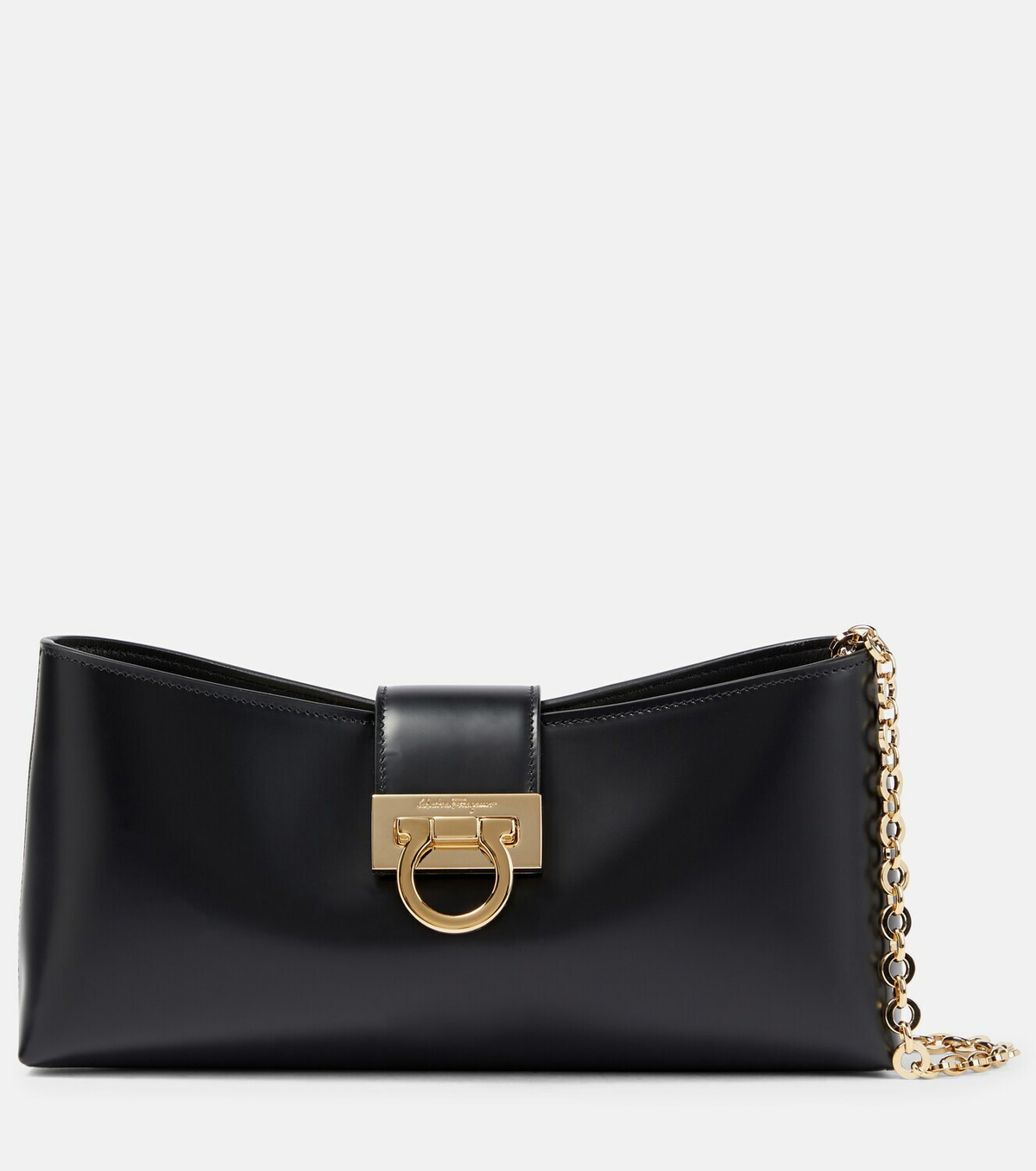
Deciding among bag sizes frequently proves more difficult than picking a style, and this holds especially true when shopping around a maison like Salvatore Ferragamo, where profiles stretch from small, tidy top-handle bags to spacious totes designed for daily rotation. A Ferragamo bag is an investment piece, so dialing in the right scale counts for more than it does with fast fashion. What follows unpacks how Ferragamo bags tend to be grouped by size, what every category tends to suit in real life, and how to work through the decision before you make the purchase. Whether you’re scrolling a Ferragamo shop online or standing before a boutique counter, the same logic applies: match the bag to your frame, your habits, and the occasions genuinely on your schedule.
Salvatore Ferragamo bags have a reputation for their structured, architectural forms, the Gancini hardware detail, and a level of craftsmanship that keeps its shape over years of use. But structure also means less give than a slouchy fabric tote, so size selection has real consequences for day-to-day comfort and usability. Getting it right from the start saves you from a bag that looks gorgeous sitting on a shelf but sits untouched in the closet.
Structured Bags: Why Getting the Size Right Is So Important
Unlike soft, unstructured totes that can expand or compress depending on what you pack, Ferragamo’s architectural shapes hold a fixed shape. A top-handle bag with a rigid base won’t expand to accommodate an extra folder or a water bottle the way a slouchy shoulder bag might. This means the stated dimensions of a Ferragamo bag are not a rough guide — they define the true usable capacity you are dealing with, minus the interior lining and any structured base panel.
There’s also the matter of proportion in relation white ferragamo bag to your own body. Someone petite carrying a large, oversized tote can appear dwarfed by the bag, while someone tall holding a small top-handle bag can give the impression the bag was barely considered. Stylists frequently advise that a bag shouldn’t be wider than your hips when worn at the side, and that shoulder bags ought to have a strap length that keeps the bag positioned at or above the hips rather than dangling around knee level.
Another factor that gets overlooked is heft. Leather hardware, structured panelling, and metal Gancini details all contribute extra weight before you have packed a single item. A compact crossbody, empty, might tip the scales at under half a kilo, while a larger structured tote with reinforced handles can weigh noticeably heavier before you add your phone, wallet, and everyday essentials. Across eight or more hours of carrying, that empty weight accumulates as the hours pass.
Ultimately, versatility comes down to size. An undersized bag forces you to carry a second bag for anything beyond a phone and cards. An oversized bag tempts stuffing it beyond reason, which strains handles and stitching with continued use. The best choice is a size that comfortably fits what you really use daily, with some extra room — rather than one selected purely for appearance.
Sorting Through the Size Categories
Ferragamo’s bags mostly split across four broad categories: micro/mini, small, medium, and large. Each size group has its own function, and understanding the boundaries between them helps when weighing choices within the current Ferragamo bags overview available through the brand’s collections.
- Micro and mini bags are designed for evening wear or minimal daytime carrying — think a phone, a card case, and lipstick. They’re often chosen as statement pieces, letting hardware and silhouette speak louder than capacity.
- Small bags strike a balance for everyday use among people who carry light. Generally they accommodate a phone, keys, a compact wallet, and sunglasses, which makes them a popular pick for those moving on from a mini bag to something slightly more functional.
- The medium category is the most adaptable and often the top-selling option across most luxury handbag lines, including Ferragamo. They accommodate a tablet or small notebook alongside daily essentials, which means they work well for both work and leisure.
- Large bags and totes are built for travel days, work commutes, or anyone who simply prefers to carry more. Such bags often feature structured bases and reinforced handles to handle extra weight throughout the day.
When comparing a Salvatore bag across these categories, it’s useful to consider what you carry on an average Tuesday, not what you might carry on a rare occasion. Most people underestimate how infrequently they need the large-format option and overestimate how often the mini size will suit their routine.
Finding the Right Size for Your Lifestyle and Occasion
Before shopping around, it’s wisest to take a close look at your own daily habits. Gather together what you usually tote along on a regular day — billfold, phone, key ring, a small cosmetics pouch, maybe a streamlined notebook — and measure the total bulk roughly. This gives you a practical reference point instead of a rough assumption based on the way a bag is presented on a model.
For commuters and professionals, a medium structured bag usually delivers the best return on investment because it moves easily across office, meetings, and evening plans without needing to be switched. For evening events, a compact or petite choice keeps things polished without excess bulk. On trips, a more generous carryall or structured shoulder bag with a wider base accommodates boarding passes, a water bottle, and a extra layer without looking like travel baggage.
Occasion frequency also counts. If most of your calendar involves formal dinners and few daytime tasks, favoring compact and medium options makes more sense than investing in a large tote that sees little use. In contrast, if you are shaping a working wardrobe around one standout bag that must serve every purpose, a mid-to-large size with a structured handle and removable strap offers the widest range of use.
Plenty of first-time visitors exploring a Ferragamo shop for the first time find it useful to test bags with real daily items instead of trusting stated measurements alone. An empty bag that looks roomy can feel tight once a bulky wallet, a paperback book, and a portable charger are added, so a real-world check — in person or by comparing measurements against items you already own — is worth the additional effort.
Size Categories Compared At a Glance
The chart below offers a broad comparison of how Ferragamo’s size groupings typically hold up to common needs. This is meant to serve as a reference for thinking through scale and practical scenarios rather than a specification for any single named style, since exact dimensions differ by style.
| Category of Size | Usual Purpose | Daily Capacity | Best Suited For |
|---|---|---|---|
| Mini / Micro | Evening, special occasion | Mobile, cards, lip color | Bold styling, bare essentials |
| Small | Light daytime use | Phone, keys, compact wallet, sunglasses | Errands, casual outings, transitional carrying |
| Mid-sized | Work and leisure | Tablet or notebook plus daily essentials | Most versatile; office to evening transition |
| Large / Tote | Travel, heavy daily carry | Laptop, water bottle, extra layer, essentials | Commuters, travelers, frequent overpackers |
Looking through a comparison like this together often makes choices clearer faster than sifting through dozens of individual product pages. It also helps when you are trying to identify which pieces within the best Ferragamo bags lineup truly suit your routine rather than simply appealing on first glance.
What Makes Different the Premier Ferragamo Bags Distinct in Terms of Sizing
From the tailored top-handle designed for day-into-evening shifts to the softer shoulder styles made for constant daily use, every shape among the best Ferragamo bags is designed around a specific purpose — sizing choices here are almost never arbitrary. The best Salvatore Ferragamo bags commonly share a few size-related qualities: a base broad enough to maintain stability when rested on a surface, a handle drop sufficiently long to fit comfortably over a jacket sleeve, and an interior depth that keeps items from dropping out of reach at the bottom.
Across current collections, adjustable and detachable straps have grown more common, in effect letting a one bag perform two size-related functions — close to the body as a crossbody on hands-free days, or by the top handle for a dressier look. This versatility is worth prioritizing if you want a smaller collection of bags that each serve multiple purposes.
Reinforced stitching at the handle attachment points is an additional indicator of a thoughtfully engineered size-to-durability balance. Larger bags hold more weight, and the point of tension at the handle junction is the spot where lower-quality craftsmanship tends to give out first. Ferragamo’s leather goods are typically built with this in mind, relying on reinforced tabs or riveted attachments rather than stitching alone.
When comparing options, it also helps to factor in resale and value over time. Medium structured bags in timeless shapes generally retain value more effectively over time than trend-driven micro bags, largely because they see more consistent daily use and remain relevant across evolving trend cycles.
Last Considerations on Selecting the Right Fit
There exists no universally “right” size — only the size that matches the way you truly live day to day. A close review of your essentials, an clear-eyed look at your average week, and a side-by-side comparison of proportions will get you closer to the correct decision than trends or styling photos ever will. Whether you are drawn to a compact Salvatore bag for evenings or a structured medium tote for everyday use, the goal is a bag that earns its place in your routine rather than sitting unused. Make sure you compare, measure against what you currently carry, and choose the size that will remain sensible a year from now.
